By Phoenix Home Improvement & Flooring
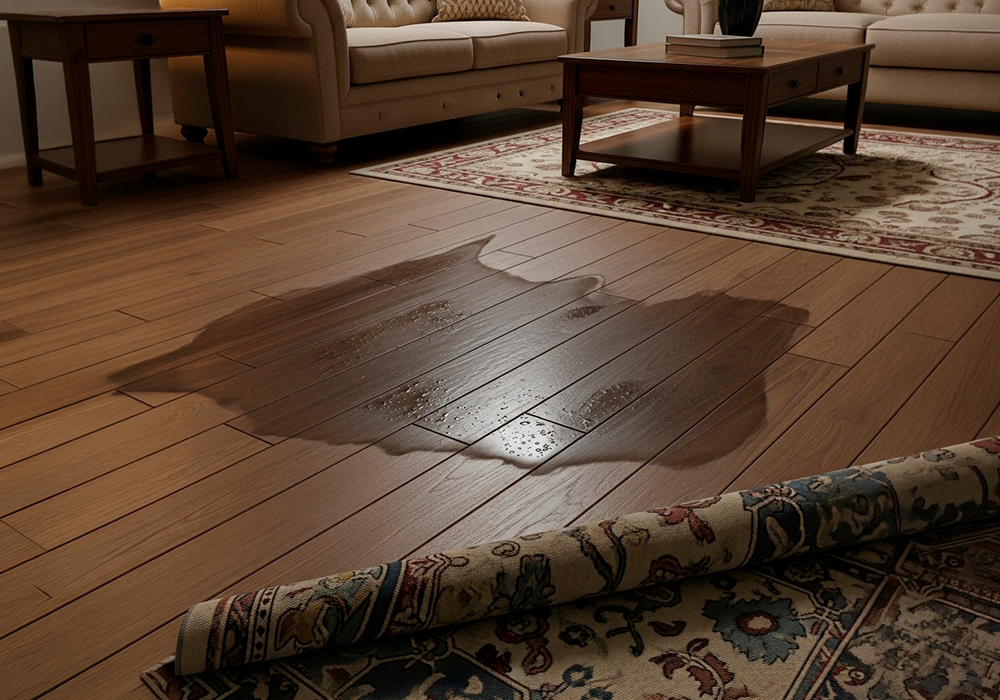
Moisture under flooring is one of the most common causes of hidden home damage. Many homeowners only notice the problem after visible signs appear, and by that time, repairs can become expensive. Whether you have hardwood, engineered wood, or LVT flooring, excess moisture below the surface can weaken materials, affect indoor air quality, and reduce your property value.
Understanding how moisture develops and impacts your floors can help you prevent major repair costs and protect your investment.
Moisture problems rarely start on the surface. They often come from structural or environmental sources that slowly affect subfloors and flooring materials.
Common sources include:
These issues may seem small at first, but when moisture stays trapped under flooring, it creates the perfect environment for long-term structural damage.
Many homeowners overlook early warning signs because they appear minor. Catching these indicators early can save thousands in repair costs.
Look for:
Ignoring these symptoms often leads to deeper subfloor damage, mold growth, and structural deterioration.
Different flooring materials react differently to moisture, but none are immune to long exposure.
Hardwood flooring absorbs moisture quickly. This causes expansion, warping, and permanent deformation. Boards may crack or separate over time, needing replacement instead of simple refinishing.
Engineered wood flooring is more stable, but prolonged moisture can break down adhesives and weaken the layered structure, leading to lifting or separation.
LVT flooring resists water on the surface, but trapped moisture underneath can damage the subfloor. This may cause uneven surfaces, adhesive failure, or mold formation below the planks.
In all cases, the structural base of your floor becomes the biggest concern.
Subfloors support everything above them. When moisture penetrates this layer, damage spreads beyond the visible flooring.
Potential structural issues include:
These problems are costly because they involve structural repair, not just cosmetic flooring replacement.
Ignoring moisture under the flooring often leads to higher expenses later. Early intervention usually involves inspection, moisture testing, and localized repairs. Waiting too long can require full floor replacement and structural remediation.
Typical cost escalations include:
Homeowners who address moisture issues early often save significant money and avoid prolonged disruptions.
Many moisture problems are invisible without proper equipment.
Professional flooring specialists use moisture meters, thermal imaging tools, and subfloor inspections to identify hidden risks.
Professional inspections provide:
Skipping this step can result in premature flooring failure and unnecessary expenses.
Preventing moisture issues is usually less expensive than repairing structural damage. Consistent maintenance and proper installation practices play a major role.
Key preventive actions include:
These measures help extend the lifespan of your flooring and reduce unexpected repair costs.
Sometimes moisture damage reaches a point where replacement is the safest option. Structural integrity, indoor air quality, and long-term property value should guide that decision.
Signs replacement may be necessary:
In these cases, professional installation combined with moisture mitigation ensures better long-term performance.
Moisture under flooring is rarely just a cosmetic issue. It often signals deeper structural concerns that can become expensive if ignored. Acting early protects your flooring investment, prevents structural deterioration, and maintains your home’s market value.
If you notice early signs of moisture or plan to install new flooring, a professional evaluation can help identify risks before they turn into costly repairs. Taking proactive steps today can save significant money and prevent unnecessary disruption in the future.
| Cookie | Duration | Description |
|---|---|---|
| cookielawinfo-checkbox-analytics | 11 months | This cookie is set by GDPR Cookie Consent plugin. The cookie is used to store the user consent for the cookies in the category "Analytics". |
| cookielawinfo-checkbox-functional | 11 months | The cookie is set by GDPR cookie consent to record the user consent for the cookies in the category "Functional". |
| cookielawinfo-checkbox-functional | 11 months | The cookie is set by GDPR cookie consent to record the user consent for the cookies in the category "Functional". |
| cookielawinfo-checkbox-necessary | 11 months | This cookie is set by GDPR Cookie Consent plugin. The cookies is used to store the user consent for the cookies in the category "Necessary". |
| cookielawinfo-checkbox-necessary | 11 months | This cookie is set by GDPR Cookie Consent plugin. The cookies is used to store the user consent for the cookies in the category "Necessary". |
| cookielawinfo-checkbox-others | 11 months | This cookie is set by GDPR Cookie Consent plugin. The cookie is used to store the user consent for the cookies in the category "Other. |
| cookielawinfo-checkbox-performance | 11 months | This cookie is set by GDPR Cookie Consent plugin. The cookie is used to store the user consent for the cookies in the category "Performance". |
| viewed_cookie_policy | 11 months | The cookie is set by the GDPR Cookie Consent plugin and is used to store whether or not user has consented to the use of cookies. It does not store any personal data. |
| viewed_cookie_policy | 11 months | The cookie is set by the GDPR Cookie Consent plugin and is used to store whether or not user has consented to the use of cookies. It does not store any personal data. |
